|


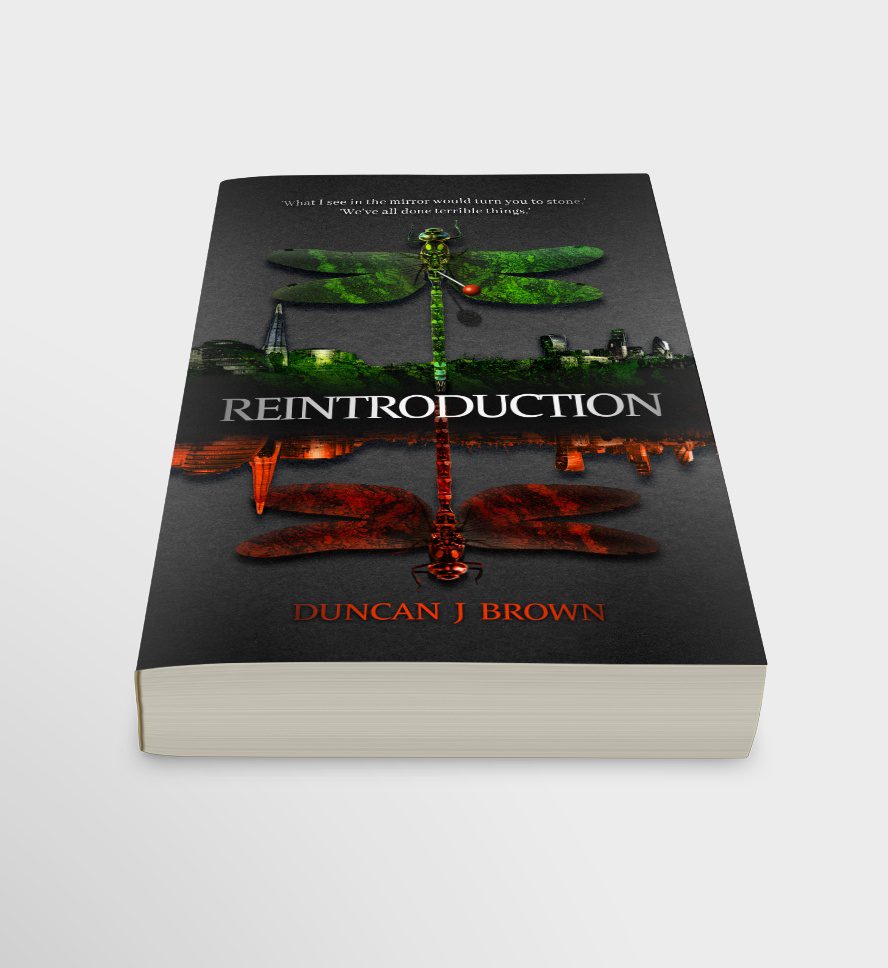
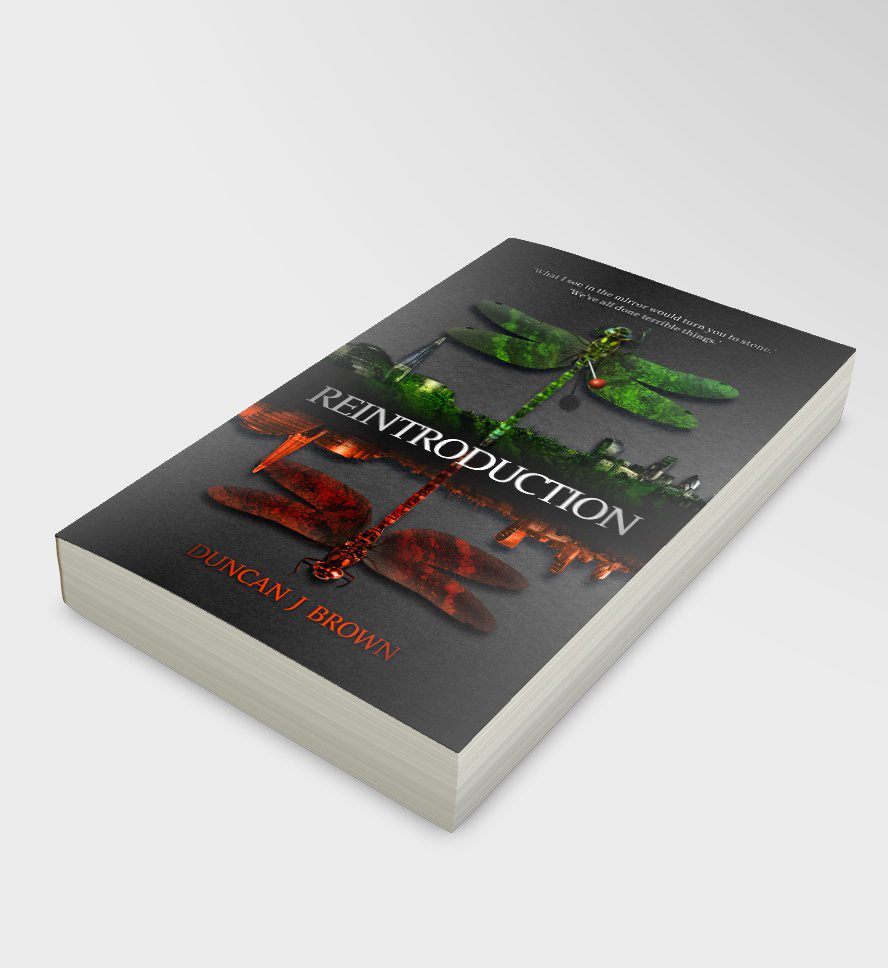
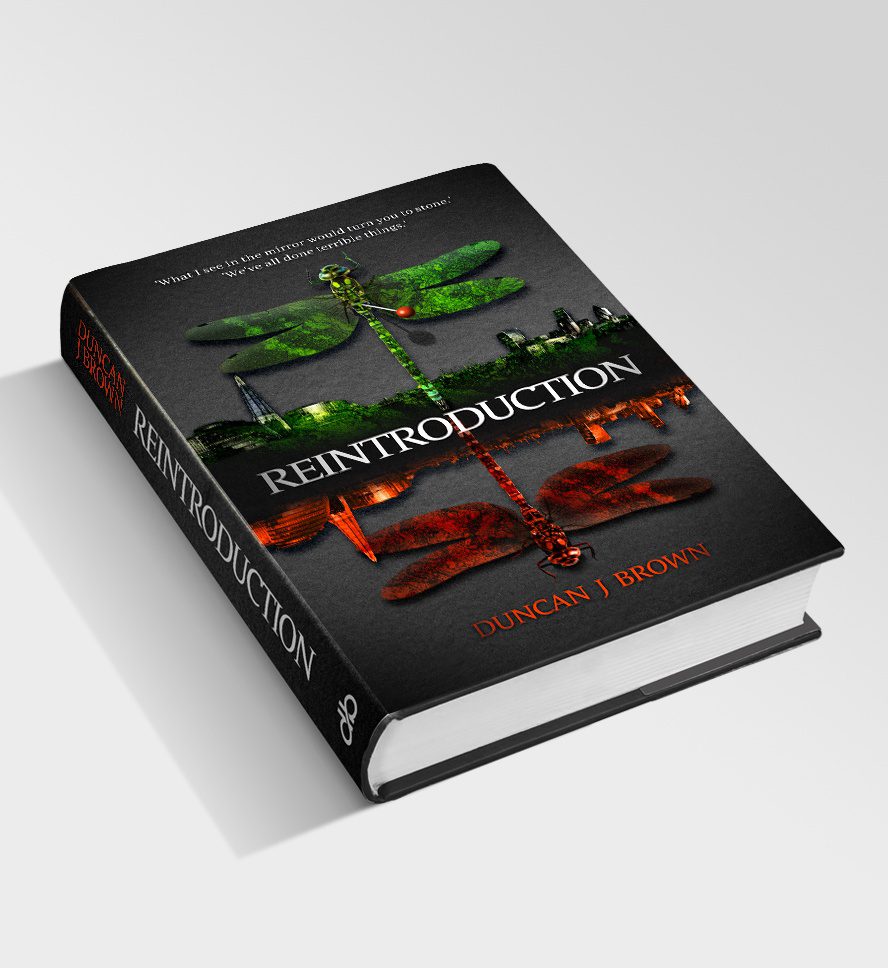
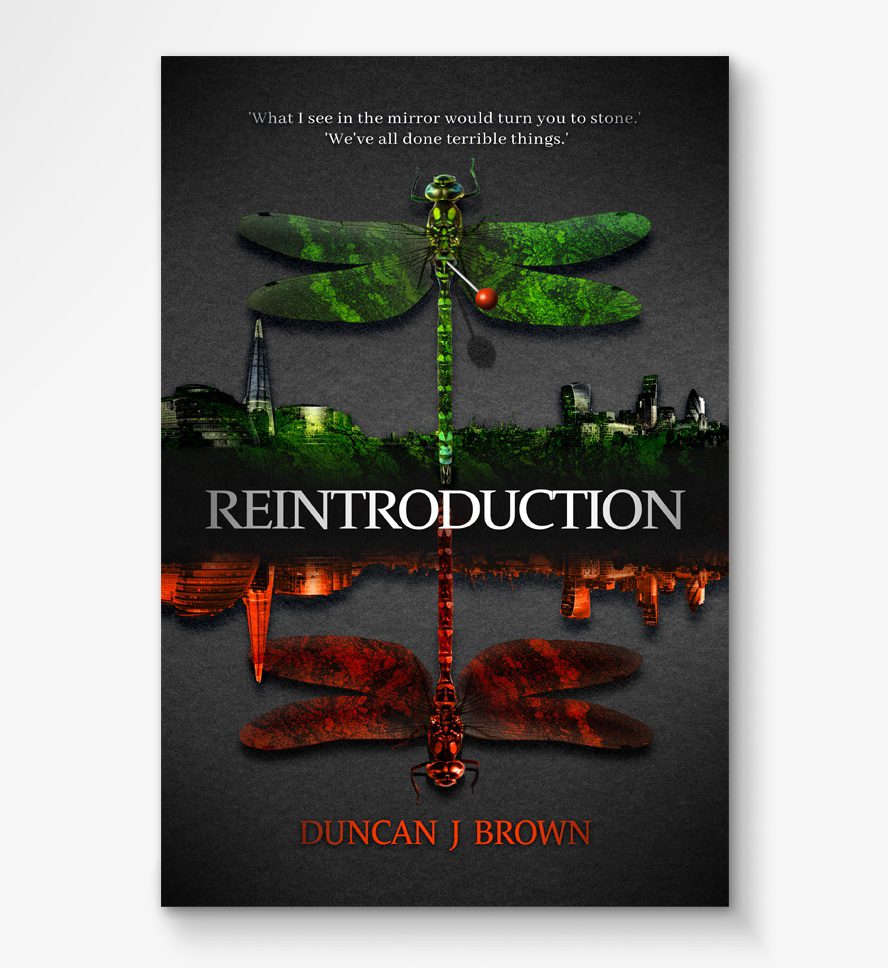
Reintroduction
by Duncan Brown
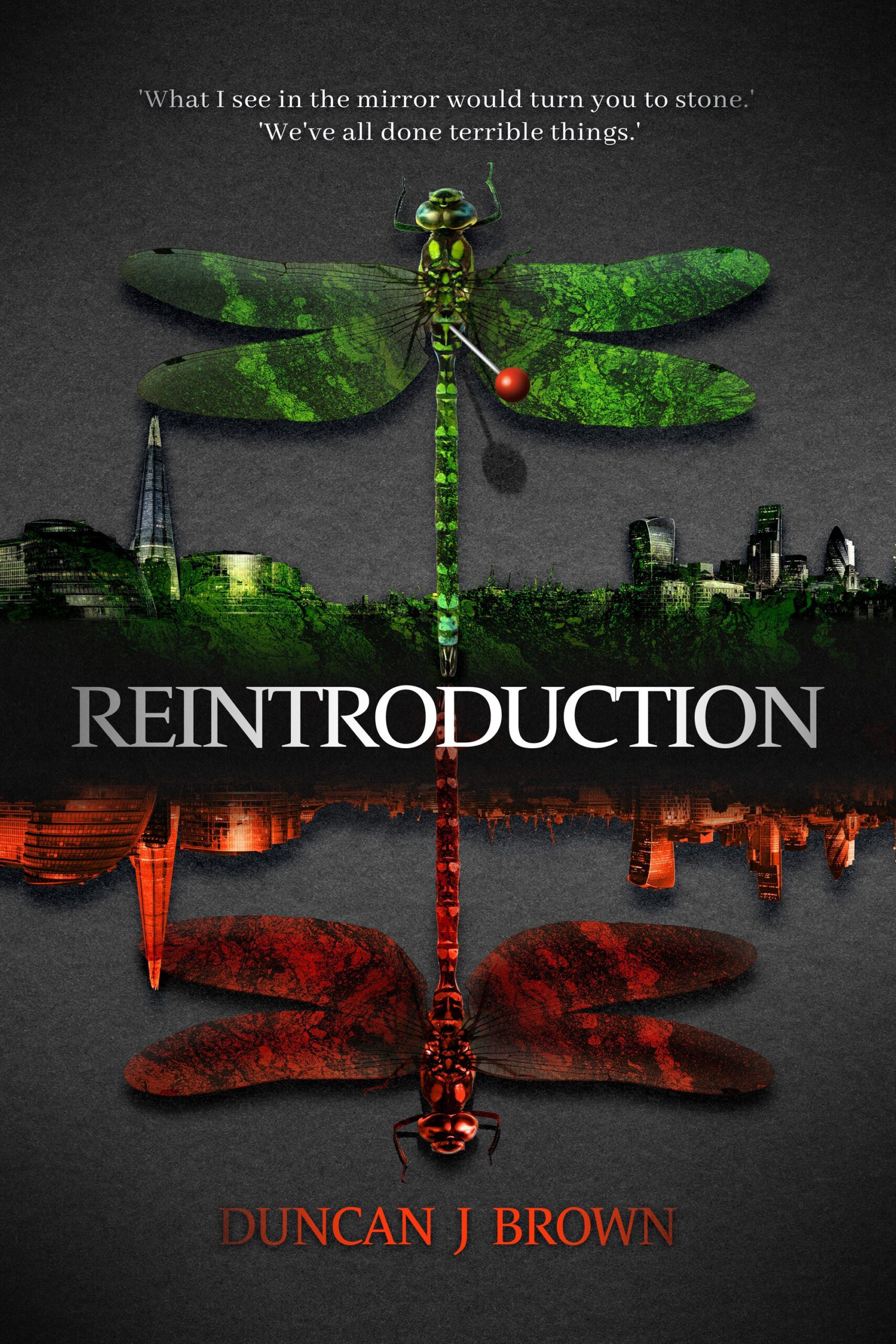
In “Reintroduction,” Duncan Brown crafts a hauntingly vivid dystopian narrative that plunges readers into a bleak, rain-soaked London. The protagonist, Robert Corrigan, navigates a world where the sun has been replaced by unyielding clouds and the threat of demotion looms over every Worker. Brown deftly explores themes of survival, ambition, and the moral compromises one must make in a society governed by the whims of a powerful elite.
Corrigan’s mother, a figure of sacrifice, instils in him a relentless drive to seize opportunities, even as her health deteriorates under the shadow of a pervasive cancer. The stakes are high; the spectre of becoming a Non—an individual stripped of identity and support—haunts the Workers. As Corrigan is drawn into the enigmatic Project Egret, he must confront not only the machinations of the corporate elite but also the ethical dilemmas that arise in a world where every action is scrutinised.
Brown’s prose is both lyrical and unsettling, painting a picture of a future where the quest for immortality is merely a corporate fantasy, and the cost of ambition may lead to a waking nightmare. “Reintroduction” is a thought-provoking exploration of humanity’s darker impulses, leaving readers questioning the price of progress in a society that values power above all else. This gripping tale is a must-read for fans of speculative fiction and those intrigued by the moral complexities of our modern world.
Published by East Head Press on 2021-08-16


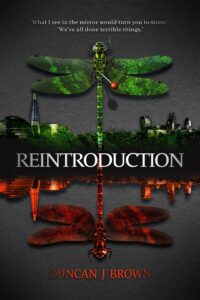
Reintroduction


I imagine my characters as beings whose minds are layers of story, a sediment of murky experiences and memories buried in silt. I draw on lived experience. Even when considering futuristic settings, I root the story in what I have encountered in my life. I want the reader to connect with my flawed characters and the environments in which they interact. The reader will hopefully empathise even with those characters who make terrible mistakes.
I have - I hope - found a way to populate my own private traumas and obsessions with characters and situations that speak to strangers in a language they recognise from their own. The gauze used to treat a wound can cause damage if left in place too long. I prefer to remove the dressing, allowing air to get at what then also becomes a visible injury.
The world today is as frightening as the one I endured as a traumatised gay adolescent. It has the same level of dread for me as the London of the 80s and 90s. Surviving the Aids epidemic and legislation that effectively recriminalized homosexuality left me with a reflexive mistrust of power structures.
As I watch the planet I so dearly love and appreciate being abused, possibly damaged beyond repair, I feel driven to provoke discussion. I have no answers, only questions. I am not seeking to proselytize or evangelize a solution but simply to tell a story that feels relevant.